

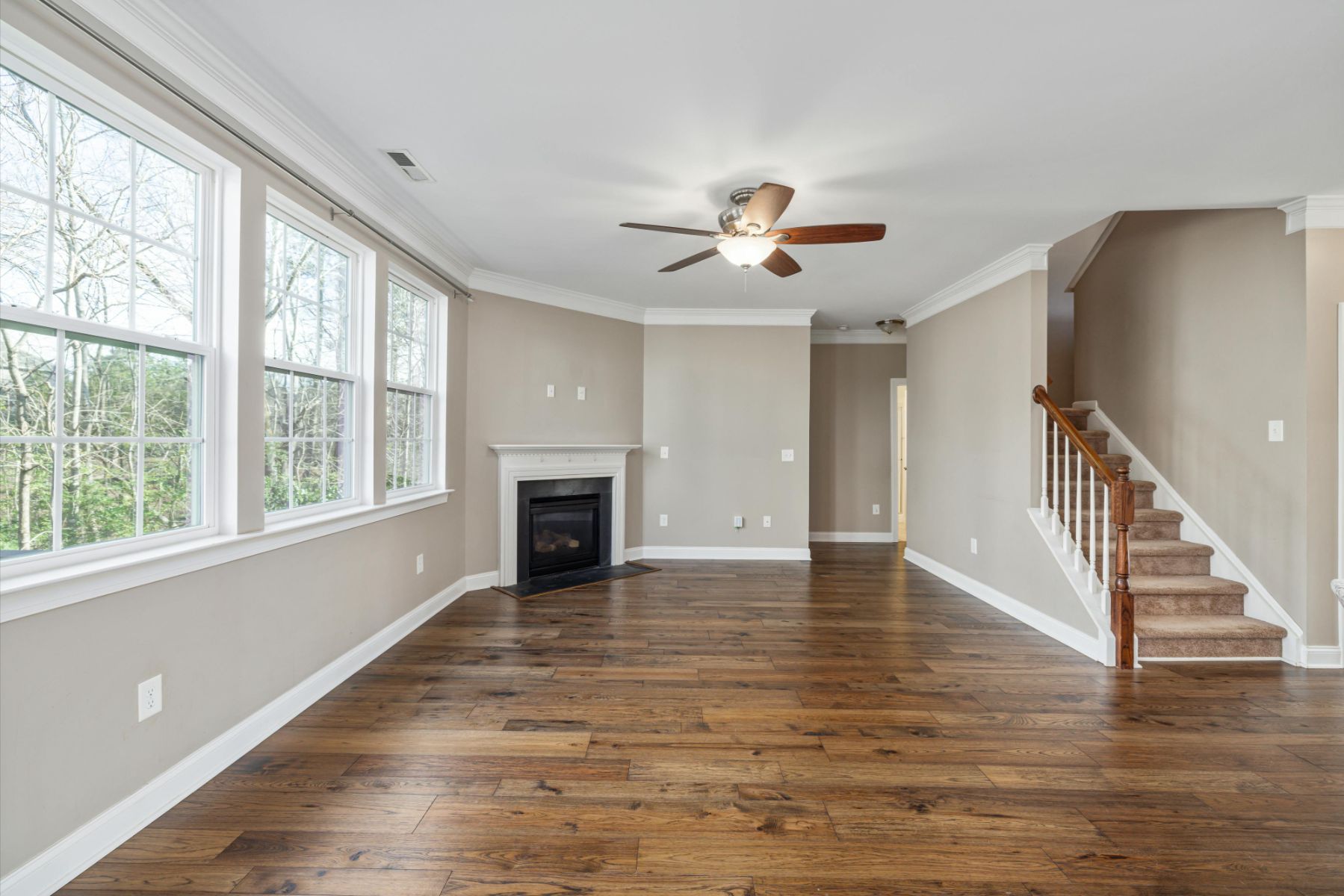
Hardwood flooring has a certain pull. It is warm, strong, and instantly elevates the look of any home. If you're considering upgrading your floors, you likely want a surface that withstands everyday wear and tear while still maintaining a timeless appearance. This guide breaks down everything you need to know before making a purchase. We will walk you through various wood types, finishes, and installation choices, as well as a few smart tips to help you achieve the best long-term value.
Know the difference between solid and engineered hardwood flooring
Before you choose color or style, you need to decide which construction works best for your home. Solid hardwood is a single piece of wood from top to bottom. It feels traditional, can last generations, and can be refinished many times. Engineered hardwood flooring is made of layers, with a real wood top and a plywood or high-density core under it. It is stable and handles Amarillo’s seasonal temperature swings better than solid wood in some spaces.
Solid wood flooring works well in living rooms, bedrooms, dining rooms, and other areas where humidity levels remain fairly steady. Engineered hardwood flooring is a good pick for basements, areas with more moisture, or homes with big temperature changes. I prefer engineered options for open-concept layouts because they remain flat and stable.
Pick the right species for durability and style
The wood species you pick will shape the look and feel of your floors. Oak is a classic in Texas homes because it hides wear well and has a balanced grain pattern. Hickory is harder and has a bold look with color shifts that bring personality. Maple is smooth and clean if you want a modern vibe.
Harder species stand up better to pets, kids, and heavy foot traffic. If your home sees a lot of activity, hickory or oak is a safe choice. If you want something warm and traditional, walnut adds depth and richness. Each wood tells a different story, so think about how you want your space to feel every day.
Choose a finish that fits your lifestyle
The finish protects the wood and sets the tone for the whole room. High gloss floors look elegant, but they show dust and scratches more easily. Satin and matte finishes have become the most popular because they diffuse light and hide wear. They also look great with rustic, farmhouse, or modern styles.
You will also want to choose between prefinished and site-finished hardwood flooring. Prefinished planks arrive with the finish already applied. They install quickly and have a very durable factory coating. Site-finished wood flooring is sanded and finished in your home. This gives you a smooth, seamless surface and more control over color, but it takes longer, and the home needs to be prepared for dust and drying time.
Look at the plank width and length for the right visual impact
Wide planks continue to trend because they make rooms feel larger. They also show off the wood grain. Narrow planks create a more traditional look and are often better in very small rooms. Mixed-width planks can add movement and charm.
Long planks reduce the number of visible seams and create a cleaner line across the room. If you have an open floor plan or a large living area, long and wide planks can transform the space into something dramatic and welcoming.
Pay attention to color and texture
Color plays a huge role in how hardwood flooring reads in your home. Lighter tones like natural oak or light hickory brighten spaces and make them feel open. Mid-tones feel grounded and work with almost any decor style. Dark stains add drama but can show dust more easily.
Texture also brings personality. Smooth planks look polished and formal. Wire-brushed or hand-scraped planks look warm and lived in. We often recommend textured surfaces for busy households because they hide scratches well.
Understand hardwood installation and subfloor needs
Hardwood flooring installation is straightforward, but the subfloor must be level, dry, and stable. Solid hardwood is usually nailed or stapled down. Engineered hardwood flooring gives you more options, including glue-down or floating installations, depending on the product.
If your home has concrete subfloors, engineered hardwood is usually the right choice. If you have wood subfloors, both solid and engineered work well. Before installation day, remove furniture, plan for baseboard updates if needed, and talk with your installer about expected timelines.
Think about long-term care and maintenance
Hardwood flooring is easy to maintain if you stay consistent. Sweep or vacuum often to remove grit. Use a hardwood safe cleaner. Place mats at entrances and felt pads under furniture. I like to keep a small touch-up kit on hand for everyday scuffs.
If you choose solid hardwood, you can refinish it multiple times over its lifespan. This makes it a great long-term investment because the floor can be renewed instead of replaced. Engineered hardwood flooring with a thicker wear layer can also be refinished at least once.
Decide on a budget that matches your goals
Hardwood flooring is available in a wide range of prices. The species, finish, plank size, and installation method all affect the final cost. Think about what matters most to you. You may want a wide-plank oak that sets the tone for your entire home. Or maybe you want something budget-friendly that still upgrades your space. A wood flooring professional will help you compare options without pushing you toward something outside your comfort zone.
We offer high-quality wood flooring in Amarillo, TX
Choosing hardwood flooring is exciting. It is an investment that adds beauty, warmth, and long-lasting value. When you are ready to see our large selection of hardwood flooring for sale and compare options side by side, reach out to us at Gowdy Flooring. Our wood flooring store in Amarillo, TX, serves Amarillo, Canyon, Dumas, Borger, and Hereford, TX.


