

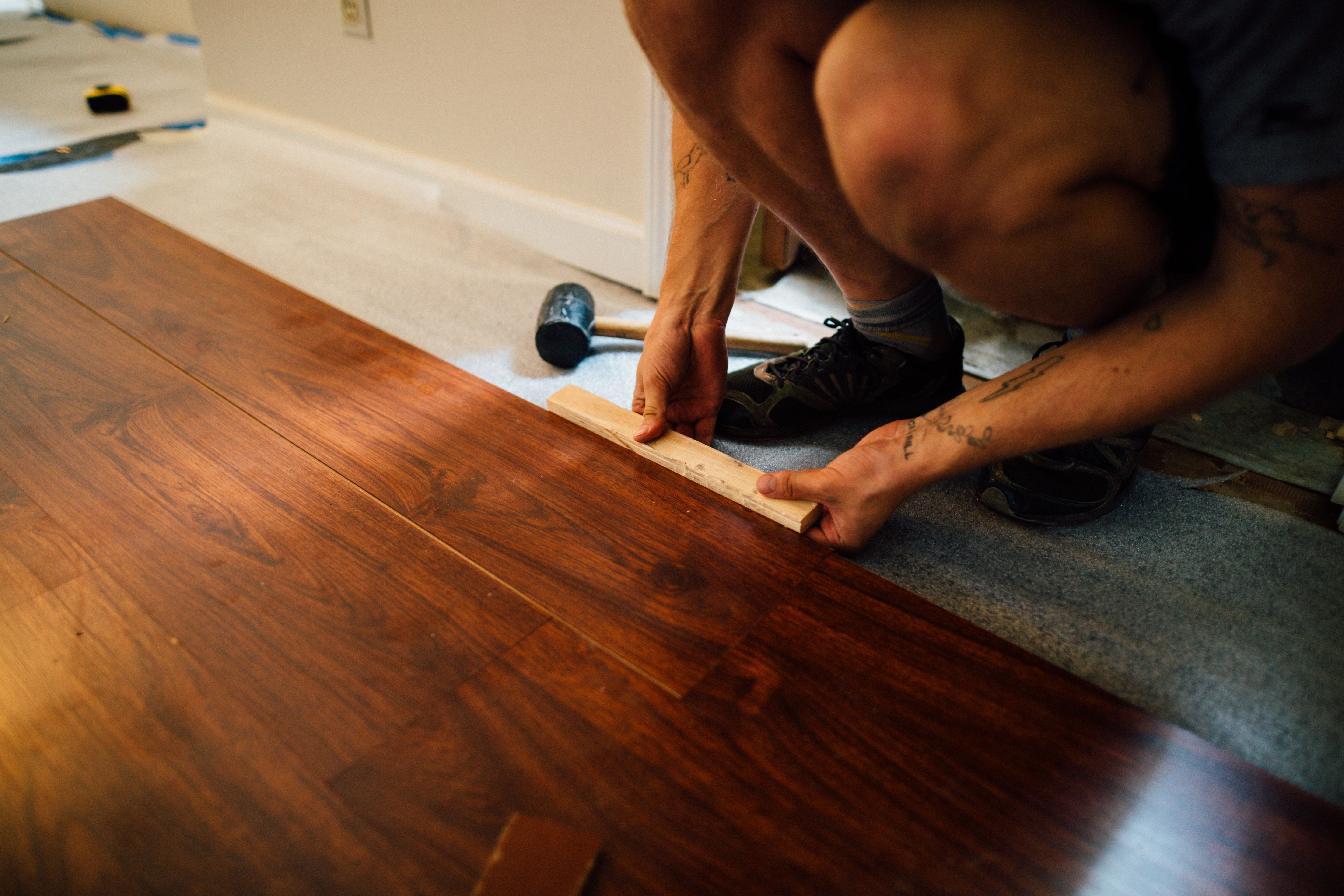
Tearing out old floors feels like a complete nightmare. Dust coats your furniture, tear-out costs mount quickly, and your daily routine gets thrown into chaos for days. Naturally, homeowners looking to refresh their space ask one big question right away: can hardwood flooring be installed over existing flooring? The short answer is yes, in many cases you can skip the mess of a full demo and lay beautiful real wood right over what you already have. However, success depends heavily on the type of floor sitting in your home today, its structural condition, and total height clearances. At Gowdy Flooring, we are proud to call Amarillo home. Being locally owned and operated since 1997 gives us a stronghold in and strong attachment to Amarillo, Texas, and the Texas Panhandle. Founded by Gale Gowdy, expanded by D’Ray Peeples, and now led by his daughter Berkley Peeples at our 5205 S Coulter design center, our family tradition focuses on giving our neighbors honest advice and superior craftsmanship. Whether you live in Amarillo, Canyon, Dumas, Borger, or Hereford, TX, evaluating your current floor surfaces is the first step toward a smooth, long-lasting transformation.
Can you install hardwood over existing floors made of tile, vinyl, or old wood?
The type of surface currently in your room determines whether laying wood on top works safely or creates long-term structural failure.
Existing hardwood or subfloors: Installing new hardwood over existing flooring made of solid timber works exceptionally well. The main requirement is laying your new planks perpendicular to the old boards. This cross-grain orientation adds structural strength and prevents sagging. If your old wood is level, squeak-free, and securely fastened, it acts as a rock-solid subfloor.
Sheet vinyl and luxury vinyl tile: Glued-down sheet vinyl or well-bonded luxury vinyl makes a great moisture barrier. As long as the vinyl is flat, clean, and firmly attached to the subfloor below, floating engineered hardwood or glue-down planks install easily right over it.
Ceramic and porcelain tile: You can install floating engineered wood over tile without ripping up a single square. However, the tile must be fully intact with no loose pieces. Installers fill low grout lines using a self-leveling compound so the surface is completely flat before laying a dense underlayment.
Carpet and padded flooring: You can never install wood over carpet. Carpet and thick underlayment flex underfoot, breaking the tongue-and-groove joints of new wood planks. Carpet must always come out first.
What essential conditions must your current subfloor meet before adding wood?
Laying new planks over old surfaces requires a strict inspection. If you hide structural defects under new wood, those hidden problems will ruin your investment within months.
First, your current surface must be completely flat and level. Dip zones or humps cause new planks to bounce under foot traffic, leading to noisy squeaks and split locking joints. Our team uses leveling compounds or sands down high spots before any boards go down.
Second, your base floor must be structurally sound and free of rot, mold, or severe squeaks. If your existing floor flexes when you step on it, we must fasten it down to the joists underneath first.
Third, moisture testing is non-negotiable across the Texas Panhandle. Concrete slabs underneath old vinyl or tile can trap rising ground moisture. Installing a proper moisture barrier under floating engineered wood protects your new timber from cupping or warping over time.
How does adding hardwood over existing flooring affect door heights and trim transitions?
Adding a new layer of wood on top of an existing floor increases total surface height. A fraction of an inch might sound minor, but height changes directly impact daily living features throughout your house.
Exterior and interior doors might not clear the new floor height. Installers often need to trim the bottom edge of interior wooden doors so they swing freely over the new wood planks.
Your trim and baseboards also require attention. Baseboards can either be pulled up and reinstalled higher or left in place and finished with a neat quarter-round molding along the bottom edge.
Transition strips become vital where the new, higher wood floor meets adjacent rooms with original carpet or tile. Crafting smooth, low-profile transition reducers prevents tripping hazards for family and guests moving between spaces.
Should you choose floating engineered wood or glue-down planks for overlay installs?
Floating engineered hardwood is almost always the smart choice when installing over existing surfaces like tile or vinyl. Floating floors lock together at the plank edges without needing nails or glue attached to the base floor. Floating installs save time, reduce labor costs, and adapt smoothly to minor subfloor movements.
Glue-down hardwood works well when installing over flat, abraded tile or old sheet vinyl, provided the adhesive is rated for non-porous surfaces.
Nail-down solid hardwood is restricted to setups where you are installing over an existing wood subfloor or thick plywood base. Nails must penetrate fully into solid wood beneath to hold boards tight for decades.
Why trust the local experts at Gowdy Flooring for your home renovation?
Skipping floor demo saves time and money, but evaluating subfloors requires an experienced eye. Named Best of Amarillo since 2015, Gowdy Flooring offers a beautiful design center with a vast selection of flooring and tile options and is acknowledged in the community for their superior customer service.
We bring personal attention to every client across Amarillo, Canyon, Dumas, Borger, and Hereford, TX. We inspect your home, test moisture levels, check floor height clearances, and help you select the perfect wood species for your lifestyle.
Ready to find out if your current floors are ready for a real wood upgrade? Visit our Gowdy Flooring design center at 5205 S Coulter in Amarillo, TX, or contact our friendly local team today to schedule your free in-home estimate.


