

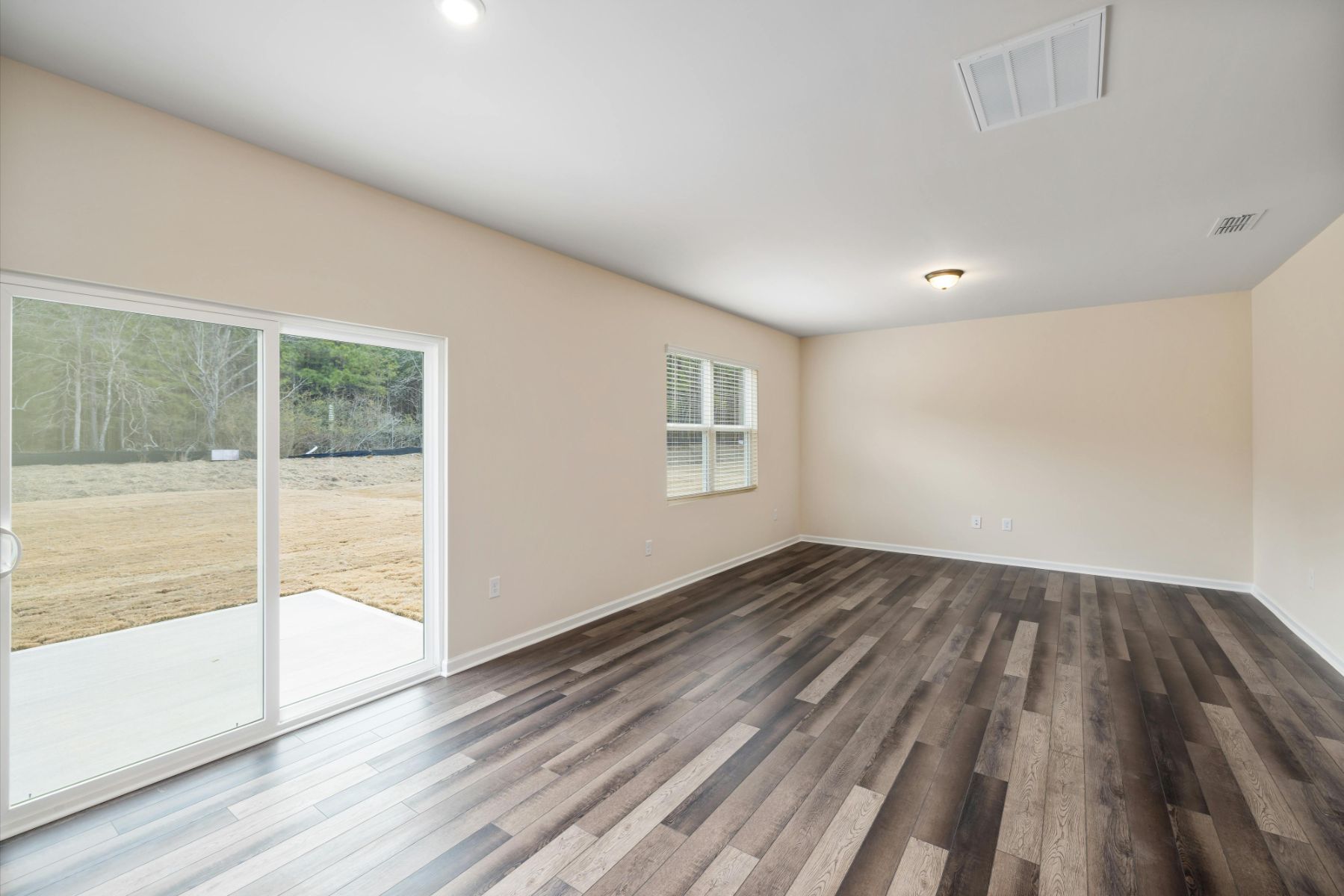
Gray hardwood has range. Go light, and a room can feel airy, relaxed, and open. Choose a deep charcoal or smoky gray, and suddenly the same space feels richer and more dramatic. Both can be beautiful. But which one actually belongs in your home?
Choosing between light and dark gray hardwood flooring involves more than picking your favorite sample. Room size, natural light, furniture, maintenance, and the overall mood you want to create should all factor into the decision. At Gowdy Flooring, we’ve been helping Amarillo and Texas Panhandle homeowners make choices like these since 1997. Here’s how light and dark gray hardwood compare.
What is gray hardwood flooring?
Gray hardwood flooring is real wood flooring featuring a finish or stain that creates gray undertones. Depending on the product, that can range from pale silver and weathered gray to deep charcoal.
You’ll also see plenty of variation within individual planks. That’s part of the appeal. Natural wood grain, knots, mineral streaks, and other characteristics can show through the gray finish, creating depth that you don’t get from a flat, solid color.
Some gray floors lean cool and contemporary. Others mix gray with beige or brown undertones for a warmer, more natural appearance.
That difference matters when coordinating your floor with the rest of your home.
What are the benefits of light gray hardwood floors?
Light gray hardwood floors are a natural fit when you want a fresh, open look.
Because lighter surfaces reflect more light, they can help make a room feel brighter. This is particularly useful in smaller rooms, hallways, or spaces that don’t receive much natural light.
Light gray also provides a flexible backdrop for interior design. It can work with white walls and modern furniture, but it’s equally comfortable alongside warm woods, colorful rugs, or casual décor.
Other advantages include:
Creating an open, spacious feeling
Pairing easily with many wall colors
Providing a clean, contemporary appearance
Showing less dust than some very dark floors
Working well with casual and minimalist interiors
If you want a floor that feels understated rather than dominant, lighter gray is worth a closer look.
What are the benefits of dark gray hardwood floors?
Dark gray creates a completely different mood.
Deep charcoal, graphite, and smoky gray tones can make a room feel sophisticated and grounded. Rather than fading into the background, dark flooring often becomes a major design feature.
It can look especially striking against white or cream walls. That contrast creates definition and gives furniture, cabinets, and architectural details a chance to stand out.
Dark gray wood flooring can also complement industrial, contemporary, transitional, and even traditional interiors.
Just remember that dark floors absorb more light. In a small or dim room, they can make the space feel more enclosed. Good lighting and lighter surrounding finishes can help balance the effect.
Does light or dark gray flooring make a room look bigger?
Generally, light gray flooring has the advantage.
Lighter colors reflect more available light, helping visually expand a room. Combine light gray hardwood with pale walls and plenty of natural light, and the boundaries between surfaces can feel less pronounced.
Dark gray creates more visual weight. That can make a large room feel warmer and more intimate, but it may make a small room feel tighter.
There are exceptions, of course.
A large room with abundant windows can easily handle dark floors. Likewise, a smaller space with dramatic lighting and carefully chosen furniture can look fantastic with charcoal hardwood.
Color is only one part of the equation.
Which gray hardwood is easier to keep looking clean?
This surprises some homeowners: darker flooring isn’t always easier to maintain visually.
Dust, lint, pet hair, and light-colored debris can stand out against very dark floors. Pale gray flooring may conceal everyday dust more effectively.
On the other hand, extremely light floors can make dark dirt or muddy footprints more noticeable.
If you have pets, children, or a busy household, consider a medium or slightly varied gray finish. Visible wood grain and tonal variation can help disguise minor debris and everyday wear between cleanings.
Texture can help too. A wire-brushed or distressed surface tends to be more forgiving than a perfectly smooth, uniform finish.
How does lighting affect gray hardwood flooring?
A lot. Never choose gray flooring without considering your lighting.
Natural daylight can bring out blue, brown, beige, or silver undertones that weren’t obvious under showroom lighting. Artificial lighting also changes how gray appears.
Warm bulbs can soften a cool gray. Cooler lighting may emphasize blue or silver tones.
That’s why samples are so useful.
Look at flooring next to your cabinets, walls, furniture, and other permanent finishes. Ideally, evaluate samples at different times of day. The gray you see at 10 a.m. may look noticeably different after sunset.
What colors go with light gray hardwood?
Light gray gives you plenty of freedom.
White and off-white walls create a bright, clean palette. Soft blues and greens can reinforce a calm atmosphere, while warmer beige and tan accents keep gray from feeling too cool.
Want contrast? Bring in darker furniture, black fixtures, rich wood tones, or colorful textiles.
Light gray can also be a good foundation if you enjoy changing your décor frequently. Instead of competing with furniture and accessories, the floor provides a neutral base.
What colors go with dark gray hardwood?
Dark gray works especially well with lighter surrounding colors.
White, cream, beige, and pale gray walls create contrast and prevent the room from feeling too dark. Warm wood furniture can soften charcoal flooring, while black and metal accents can push the design in a more modern direction.
For something bolder, try deep green, navy, rust, or other saturated accent colors.
The goal is balance. If your floor is dark, you usually don’t want every other major surface to have the same visual weight.
Is light or dark gray hardwood more timeless?
That depends less on light versus dark and more on the specific shade.
Highly blue-toned or extremely cool gray finishes can create a more trend-driven look. Gray mixed with natural brown, beige, or warm wood undertones tends to be easier to incorporate into changing design styles.
If longevity is your priority, consider a gray that still allows plenty of natural wood character to show through.
You get the modern appeal of gray without losing the warmth that makes hardwood so enduring.
How do you choose the right gray hardwood flooring?
Start with the room itself.
Think about its size, lighting, existing finishes, furniture, and how you want the space to feel. Light gray may be ideal if you want something bright and relaxed. Dark gray could be the better choice if you want contrast and drama.
Then look at real flooring samples. Photos on a screen can only tell you so much.
At Gowdy Flooring, our goal is to help you design and install the floor you envision. With more than 150 years of combined commercial and residential flooring experience, our team can help you compare colors, products, and styles with your actual home in mind.
Where can you shop for gray hardwood flooring in Amarillo, TX?
Locally owned and operated since 1997, Gowdy Flooring is proud to call Amarillo home. Our design center offers a wide selection of flooring and tile, backed by professional guidance and a commitment to superior customer service.
If you’re shopping for gray hardwood flooring in Amarillo, Canyon, Dumas, Borger, Hereford, or elsewhere in the Texas Panhandle, visit our showroom at 5205 S Coulter in Amarillo.
Come compare light, medium, and dark hardwood options in person. We’ll help you find a floor that works with your space, lifestyle, and design vision and help you get the finished result you had in mind.


